Short reads on what guests show
Plain answers to the questions hospitality teams ask. For guides and tools, visit the Knowledge Hub.
 The category
What is behavioural intelligence?
Behavioural intelligence is the ability to notice, interpret and respond to the observable signals that shape an interaction — tone, pace, hesitation, posture and attention. It treats no single signal as proof, reads patterns in context, and turns what a few people do instinctively into something a whole team can practise.
 The category
How is it different from emotional intelligence?
Emotional intelligence is about recognising and managing emotion, largely inside yourself. Behavioural intelligence starts outside: what was observable in the interaction, how it was likely received, and what you do next. The two reinforce each other, but only one of them can be handed over at the end of a shift.
 The category
Is reading body language actually reliable?
On its own, no. A folded arm means cold as often as it means closed. What is reliable is change measured against a person’s own baseline, clusters of signals arriving together, and the sequence they arrive in. Single-gesture reading is where most body-language advice quietly goes wrong.
 The category
Can the human layer of service be measured?
Partly, and only honestly. Observable behaviours can be defined, noticed consistently and tracked over time across a team. What cannot be measured is what someone was truly thinking. Useful measurement describes patterns and change; it does not issue a score that claims to know a person.
 The category
Why a signal is never proof
A signal narrows the field of likely explanations. It never closes it. A pause before agreement is consistent with doubt, with tiredness, and with nothing at all. Treated as proof it becomes a story you defend. Treated as a clue it becomes a better question.
 Silent complaints
What is a silent complaint?
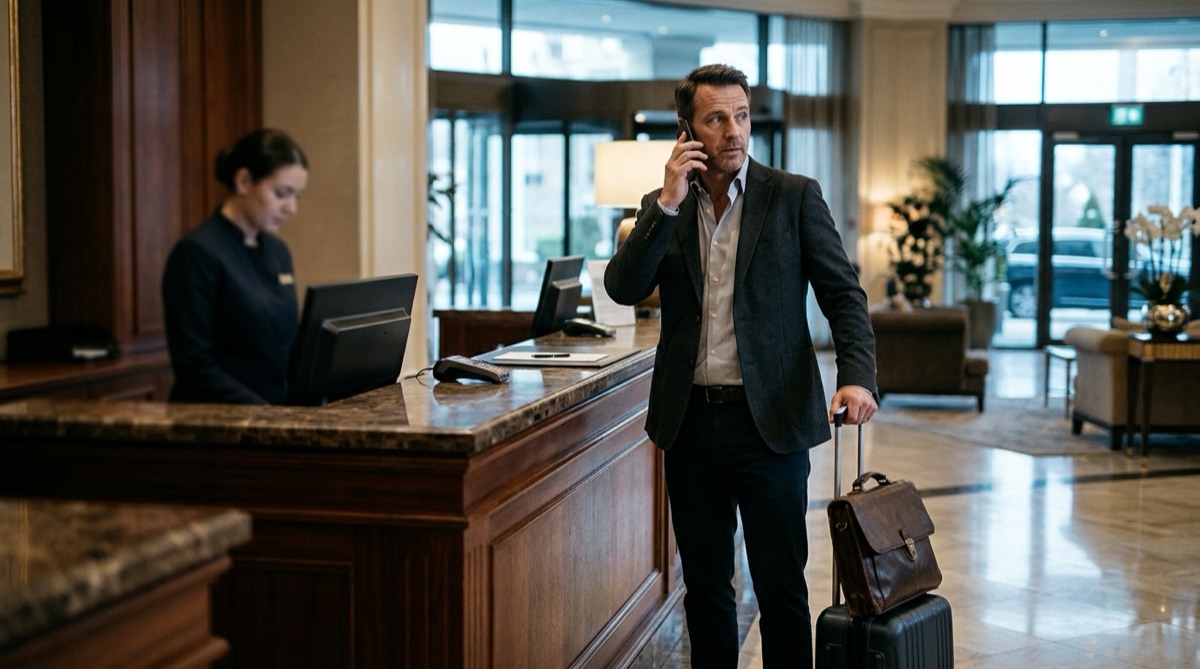
A silent complaint is dissatisfaction that never reaches a form, a review or a manager. It surfaces instead as a shorter goodbye, an unfinished meal or a declined return offer. It is the most common form of guest dissatisfaction and the least measured, because nothing was ever formally said.
 Silent complaints
Why do guests not return after a good stay?
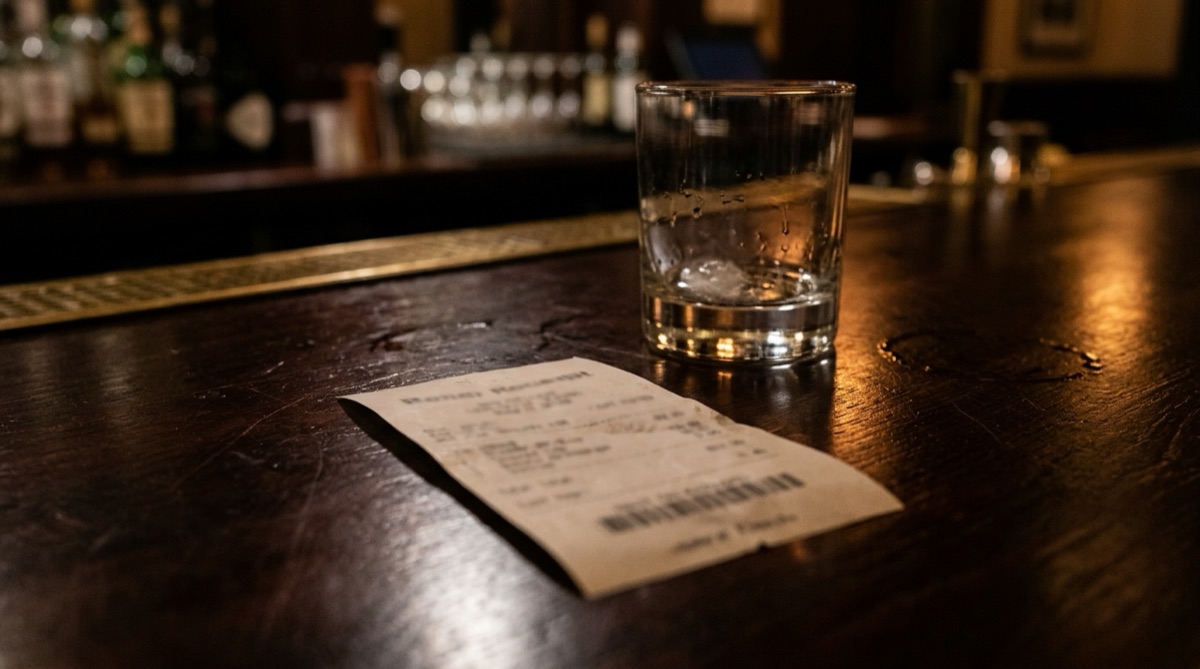
Because nothing went wrong, and nothing landed either. Standards were met while the human layer stayed flat: no recognition, no recovery, no moment worth retelling. Satisfaction surveys record the absence of failure. Loyalty is built by the presence of attention, which those surveys never think to ask about.
 Silent complaints
The cues that come before a silent complaint
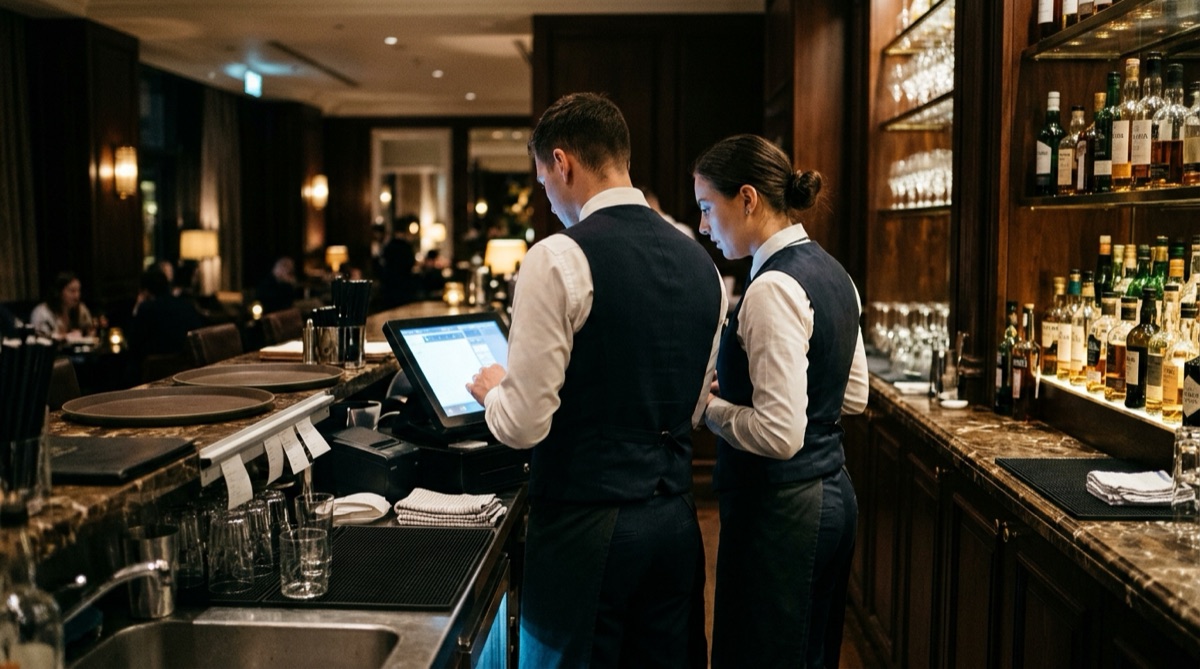
They are almost always reductions rather than outbursts: shorter answers, a smaller goodbye, fewer requests, less eye contact, an earlier exit from a space. The guest is withdrawing effort from the relationship. Withdrawal is quieter than anger, which is exactly why it clears a shift unnoticed.
 Silent complaints
What a scored audit cannot see
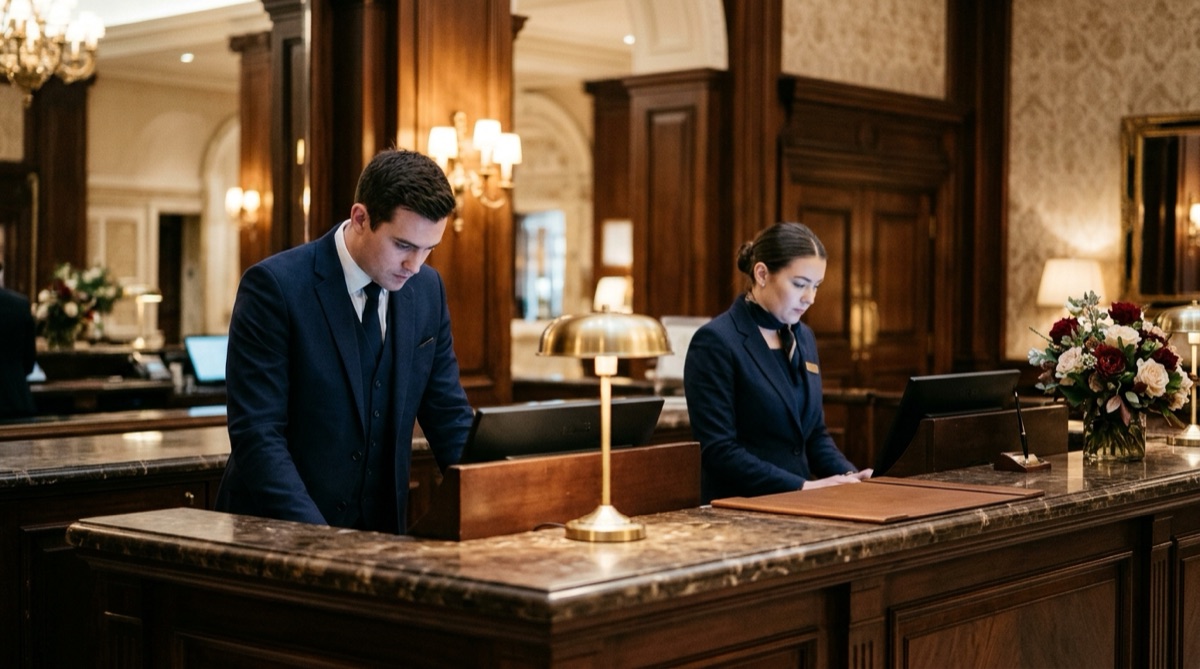
A mystery shop scores whether steps happened. It cannot see whether the guest felt met, because the shopper is not the guest and the scoresheet has no column for it. Scored audits are strong on compliance and blind to the human layer, which is where repeat business is actually decided.
 Silent complaints
How do you make service feel personal at scale?
Not by scripting more warmth. By defining the few moments where attention genuinely changes the outcome, training the reading and the response for those, and carrying what is noticed across shifts. Personalisation at scale is an information problem before it is a hospitality one.
 Handover loss
Why does the guest have to explain it twice?
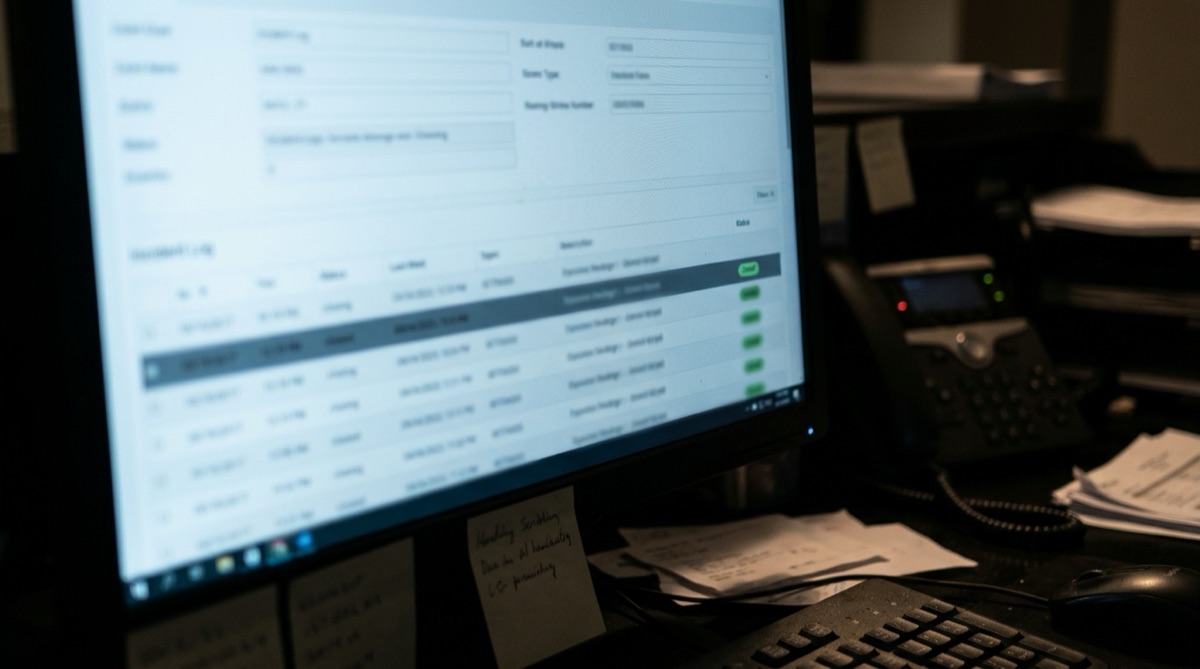
Because the preference was recorded and the context was not. Systems carry facts — allergy, floor, anniversary — while the mood, the earlier friction and the repair that followed live only in the head of whoever was on shift. At the handover, that half simply disappears.
 Handover loss
Why does the same brand feel different across properties?
Because standards travel and judgement does not. Two properties can run identical checklists while their teams read pressure, hesitation and recovery completely differently. The variance guests feel is not in the standard; it is in the behaviour around it, which no brand manual currently describes.
 Handover loss
What survives a shift change, and what doesn’t
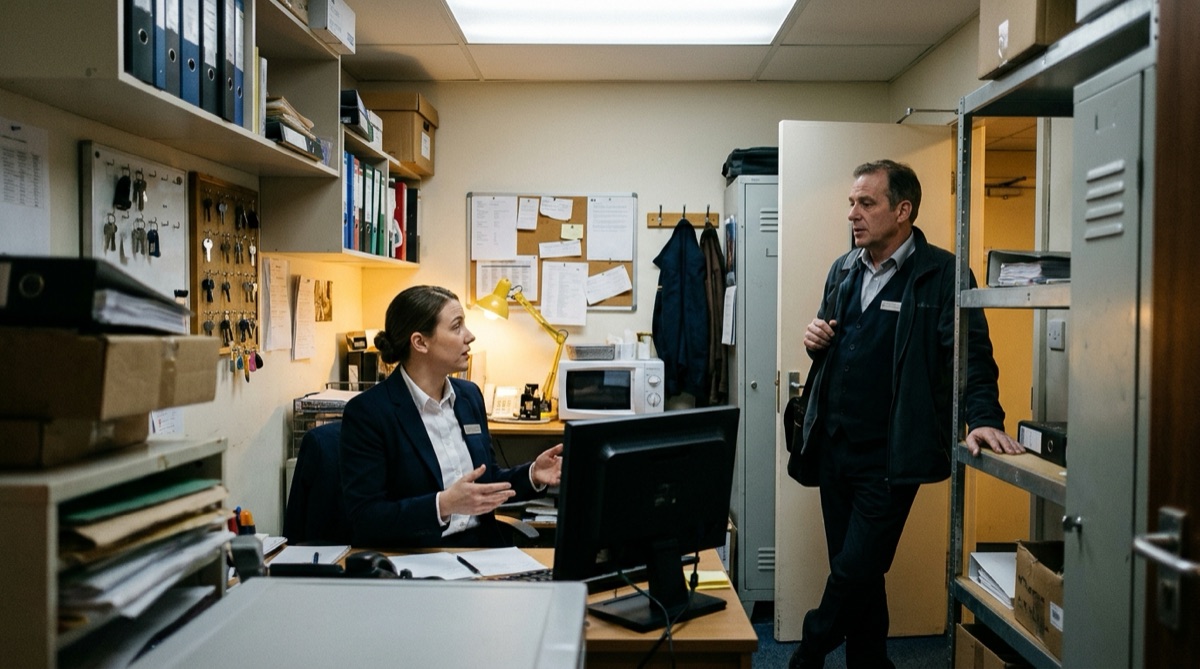
Facts survive. Readings usually do not. A handover carries room numbers, allergies and outstanding requests, and drops the tension at check-in, the guest who went quiet after dinner, and the apology already made. The next shift starts polite, uninformed, and one step behind the guest.
 Handover loss
Handover at sea: booking to ship-to-shore
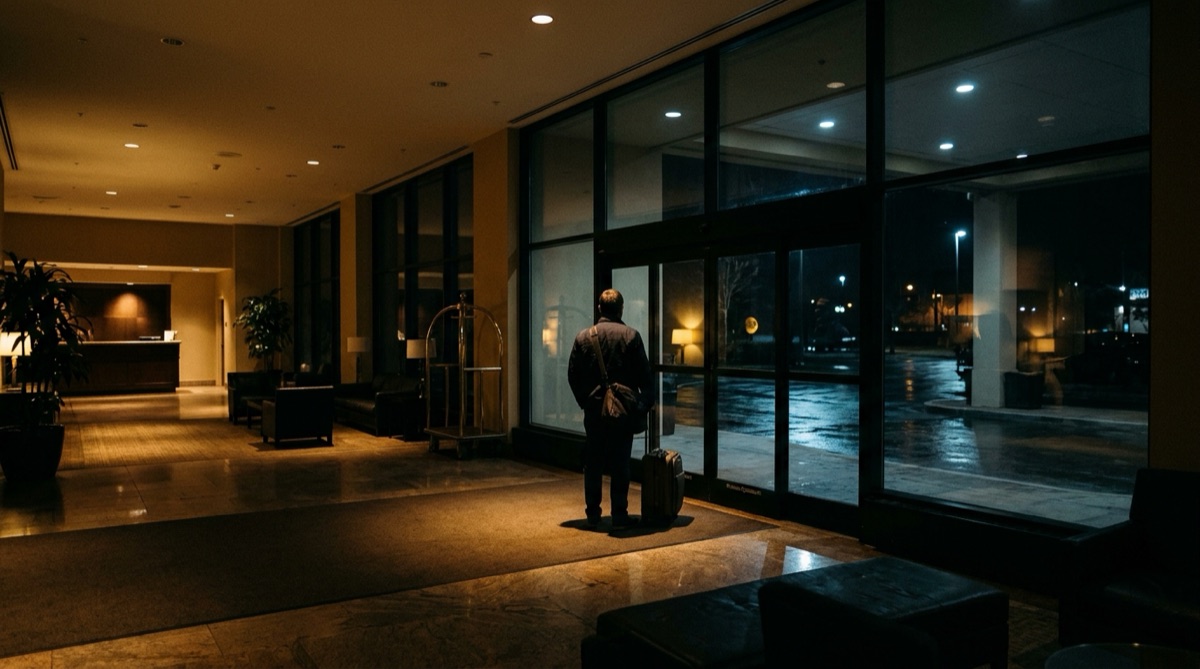
A voyage multiplies handovers: booking, embarkation, cabin, dining, excursions, service recovery and disembarkation, plus ship-to-shore. Each is a point where a guest’s context can be dropped and rebuilt from zero. Length is the risk — days of accumulated impressions, and no single team holding the thread.
 Handover loss
Pre-opening: when the culture has not been tested
An opening team is operationally ready and behaviourally untested. Standards exist on paper and have never met a real guest under pressure. The first weeks set habits that outlast every manual, which is why the human layer is worth rehearsing before opening rather than correcting afterwards.